
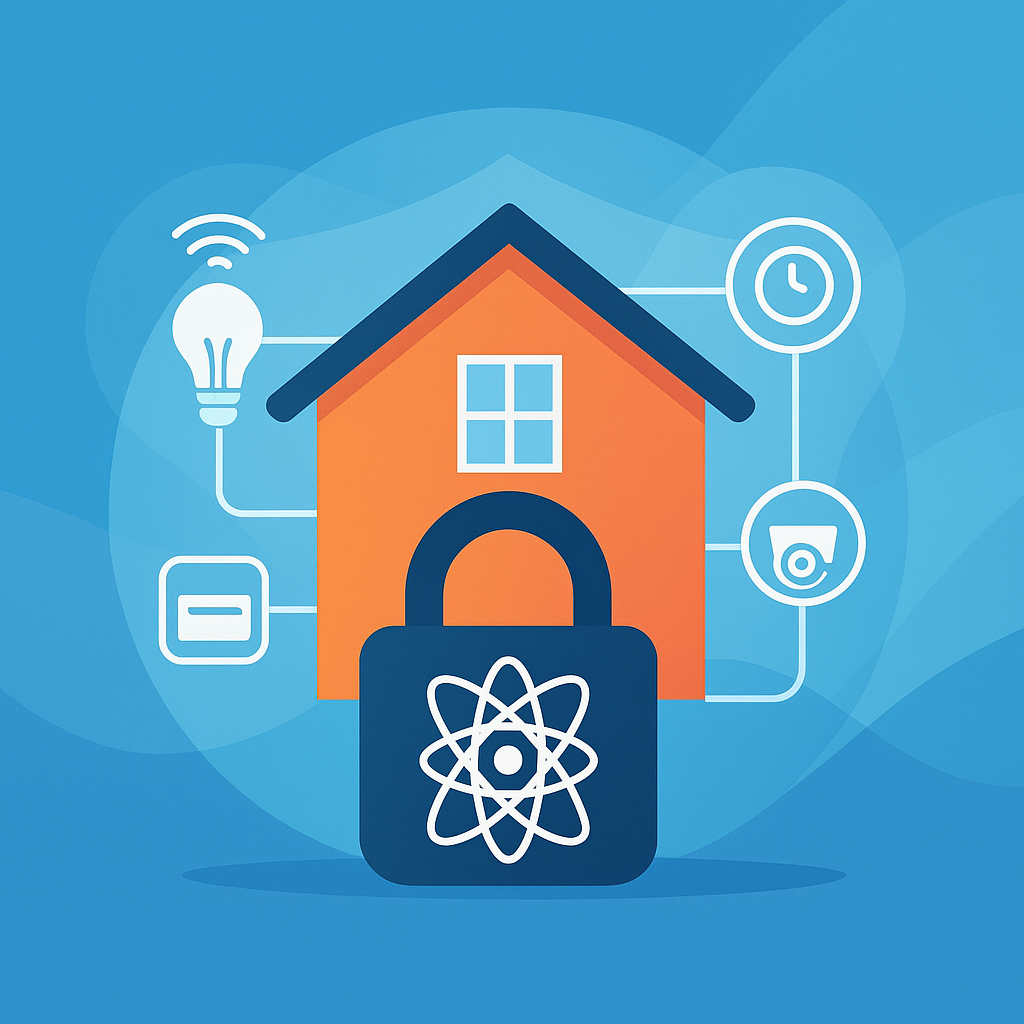
The Day My Smart Lock Stopped Trusting Me
It started with a flicker. Not of a lightbulb, but of trust. My smart thermostat, usually so obedient, suddenly refused my voice commands. My security camera sent me a photo of an empty hallway—except I was standing in that hallway. That’s when I realized: the quantum future wasn’t coming. It was already knocking at my door, and my smart home wasn’t ready.
We live in a world where our toasters talk to our doorbells, and our fridges order milk before we run out. But the same encryption that protects your Netflix password today will be child’s play for a quantum computer tomorrow. The question isn’t if we need to secure our smart home devices against quantum threats. It’s how.
Why Your Smart Home Is a Quantum Target
Imagine a thief who can pick any lock instantly. That’s what a quantum computer does to today’s encryption. Your smart lock, your baby monitor, your garage door opener—they all rely on algorithms like RSA or ECC. A quantum machine can crack them in seconds, not years. The result? Your quantum-safe smart home isn’t just a luxury. It’s a necessity.
But don’t panic. You can build a post-quantum IoT security fortress right now. Here’s how.
Step 1: Audit Your Devices for Quantum Readiness
First, know what you’re protecting. Walk through your home and list every smart device. Yes, even that smart plug you forgot about. Check the manufacturer’s website for firmware updates. Look for keywords like “smart device quantum encryption” or “post-quantum support.” If a device hasn’t been updated in two years, it’s a risk.
What to Look For:
- Firmware versions from the last 6 months
- Mentions of “quantum-resistant” or “post-quantum” in release notes
- Support for TLS 1.3 or newer protocols
If your device is stuck in 2020, it’s time to replace it. Quantum threat mitigation starts with hardware that can evolve.
Step 2: Upgrade Your Router to a Quantum-Resistant Home Network
Your router is the gatekeeper of your secure smart home future. If it’s weak, every device behind it is vulnerable. Look for routers that support WPA3, which uses stronger encryption. Even better, find one that advertises quantum-resistant home network capabilities. Some modern routers now include lattice-based cryptography—a key defense against quantum attacks.
Router Checklist:
- Enable WPA3 encryption (not WPA2)
- Disable WPS (Wi-Fi Protected Setup)
- Update router firmware monthly
- Use a separate IoT network (guest network) for smart devices
This isolates your smart home from your main computer. If a quantum attack hits your smart bulb, your laptop stays safe.
Step 3: Implement Smart Device Quantum Encryption Now
You don’t need to wait for the future. Several companies already offer smart device quantum encryption solutions. These use algorithms like CRYSTALS-Kyber or Dilithium, which are designed to resist quantum attacks. Look for devices that support these standards.
For existing devices, use a post-quantum IoT security gateway. This device sits between your router and your smart home hub. It re-encrypts all traffic using quantum-safe methods. Think of it as a force field for your smart home.
Step 4: Practice Quantum Threat Mitigation Daily
Security isn’t a one-time setup. It’s a habit. Here’s your daily routine:
- Check for device updates every Sunday
- Change default passwords to 20+ character passphrases
- Disable remote access unless absolutely necessary
- Use a VPN for any device that connects to the cloud
These small actions create layers of defense. Even if a quantum computer cracks one layer, the others hold.
The Future Is Already Here
I replaced my smart lock last month. The new one uses quantum-resistant home network protocols. It’s not just a lock anymore. It’s a statement. It says, “I’m ready for tomorrow.” And you can be too.
Building a secure smart home future isn’t about fear. It’s about foresight. By taking these steps today, you’re not just protecting your devices. You’re protecting your peace of mind. Because in a quantum world, the smartest home is the one that’s safe.
Frequently Asked Questions
1. What exactly is a quantum threat to my smart home?
A quantum threat refers to the ability of quantum computers to break current encryption standards. This means a hacker could unlock your smart door, access your camera feeds, or control your thermostat without permission. It’s not a theoretical risk—it’s a coming reality.
2. Do I need to replace all my smart devices right now?
No, but you should prioritize. Replace devices that handle sensitive data (locks, cameras, alarms) first. For less critical devices (smart lights, plugs), you can wait until they reach end-of-life. Focus on quantum-safe smart home upgrades for your most vulnerable points.
3. Can software updates really make my devices quantum-safe?
Sometimes, yes. If your device’s hardware supports it, a firmware update can add smart device quantum encryption. However, older devices may lack the processing power for quantum-resistant algorithms. Check with your manufacturer.
4. What is a post-quantum IoT security gateway?
It’s a hardware device that sits between your router and your smart home hub. It re-encrypts all traffic using quantum-safe algorithms. This protects even older devices that can’t be updated. It’s a great option for quantum threat mitigation without replacing everything.
5. Is WPA3 enough to protect my smart home from quantum attacks?
WPA3 is stronger than WPA2, but it’s not fully quantum-resistant. It uses some algorithms that quantum computers can break. However, it’s still a critical step. Combine WPA3 with a quantum-resistant home network router for the best protection.
6. How do I know if a device supports quantum-safe protocols?
Look for certifications like “Quantum-Safe Ready” or mentions of CRYSTALS-Kyber, Dilithium, or FALCON in the product specifications. Also check the manufacturer’s website for their post-quantum IoT security roadmap.
7. Will quantum threats affect my smart home in the next 5 years?
Yes. Experts predict that large-scale quantum computers capable of breaking current encryption will emerge within 5-10 years. Hackers are already stealing encrypted data today, waiting for quantum computers to decrypt it later. Start your secure smart home future planning now.
Your smart home is more than a collection of gadgets. It’s your sanctuary. And with the right steps, you can keep it safe—no matter what the future brings. The quantum era is coming. But you don’t have to let it in uninvited.
Frequently Asked Questions
What is secure your smart home devices against quantum threats?
secure your smart home devices against quantum threats refers to the process of learning and implementing effective strategies to achieve your goals in this area.
How long does it take to learn secure your smart home devices against quantum threats?
The time required varies depending on your dedication and prior experience, but most people see results within 2-4 weeks of consistent effort.
Do I need special skills to start?
No, beginners can start with basic knowledge and gradually build their expertise through practice and learning.